
We Spent Three Years Creating Volubles Headsets for Podcasting. Yes, It Was Worth It.
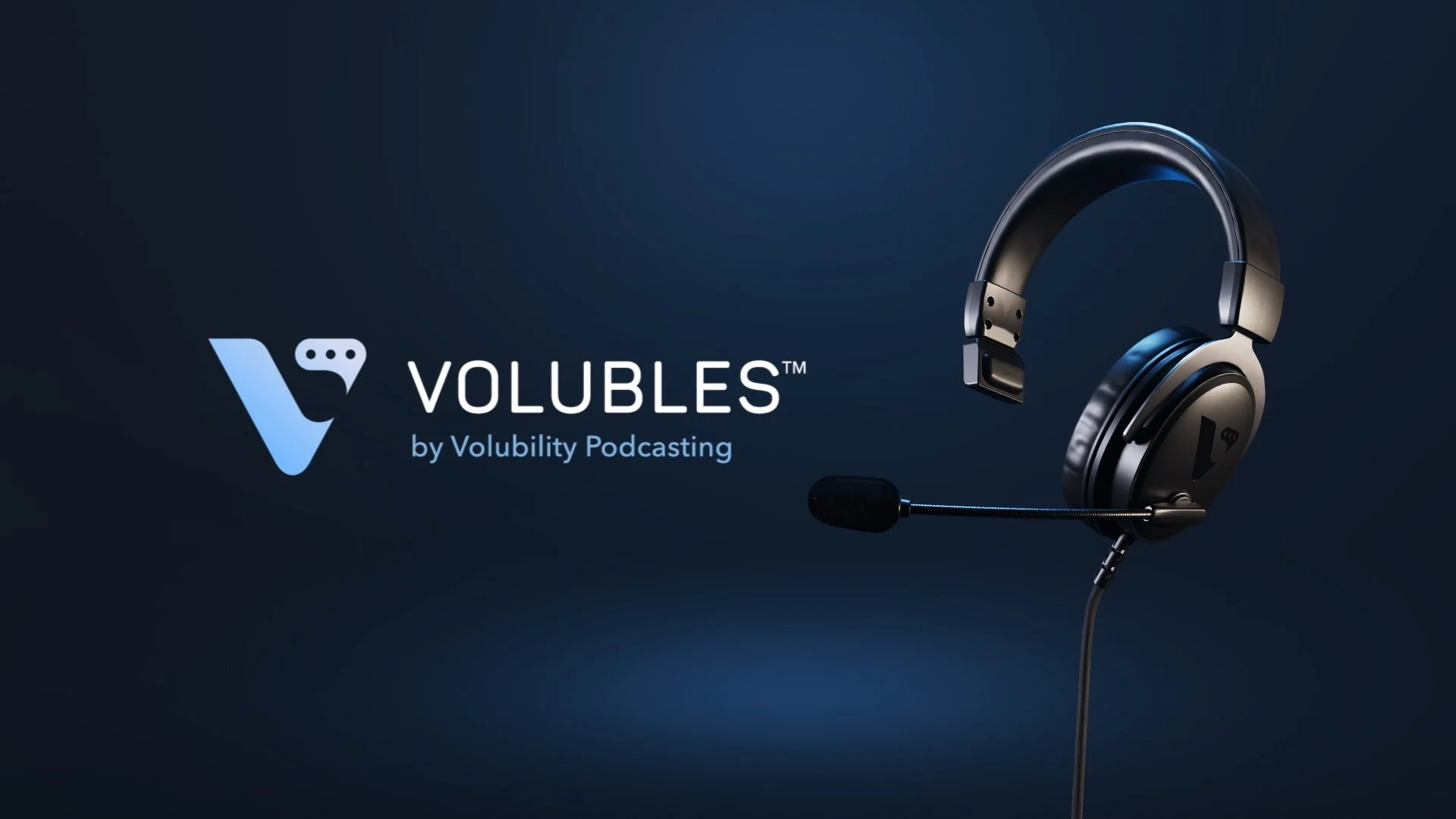
The design process went through numerous rounds. The prototype process took two years. And we gained an incredible education on the nuances of importing a product.
So why go through the trouble of creating our own headsets for podcasting?
Because there wasn’t a perfect product already out there. Believe me - we looked!
Headsets for podcasts have to do three things:
Capture crisp audio throughout recording and analog-to-digital conversion
Ensure participants can communicate without interference
Be comfortable to wear
We ordered and tried numerous headsets over the years but never found a Goldilocks pair that was just right.
They were too bulky or not substantial enough. They included too many bells and whistles (surround sound emulation), or they didn’t look suitable for a professional setting (flashing LED lights, anyone?).
Many featured a two-ear design for stereo which is great for listening to music or other content, but when you’re talking it feels like you’re speaking in a vacuum inside your own head rather than with other people.
Or they emphasized midrange frequencies and omitted all the high end. This can be effective when optimizing a headset for casual conversation but not for high-quality recording. Recording the full spectrum of human hearing is essential to creating a recording that makes your audience feel like they’re in the room with you.
Compatibility was also a constant issue. For example, Macs tend to operate better with an analog input while PCs prefer USB. And if a headset was USB-A, we’d need to source a USB A-to-C adapter.
And when we did find a headset we liked, we were worried it would soon be discontinued.
Volubles Headsets were designed to capture crisp audio when recording a podcast
Volubles are the Goldilocks of headsets. They are a basic, affordable headset that just happens to be stylish, comfortable, and most importantly, deliver exceptional audio clarity.
To nail the design, we frankensteined several different headsets. Some of the most important components to get right were:
The microphone (obviously…)
The internal circuit boards and wiring layout (for near-zero echo)
The earpiece (large enough to be comfortable but not look like an air traffic controller)
The microphone arm (an adjustable gooseneck versus a more rigid plastic arm)
The mechanism that connects the ear piece to the band (important for longevity and comfort)
The standard headphone plug and USB controller/adapter (for connecting to your device either through its headphone port or via USB)
And I’m pleased to say, the three-year effort was worth it. I really love this headset! I can wear it all day, it has a slim profile, and the audio difference is undeniable (as both a speaker and a listener). We have started sending them to clients and are getting great feedback.
Take a look:
And this brings me to the true reason we spent the time and money to design and manufacture a headset.
Audio quality will make or break a podcast
Corporate communications podcasts have one job: Deliver your message with maximum impact so you can truly engage your audience.
A podcast episode that includes audio drop-outs, echoes, static, background noise, and volume fluctuations is distracting. Just one bad listening experience is all it takes to lose listeners.
The key is to capture quality audio during the podcast recording itself. Volubles record full-bandwidth audio, so conversations sound like they’re in a studio and not over the phone. Because our headset has an adjustable microphone arm that can be positioned appropriately, it captures your voice comparably to a studio mic as opposed to sounding like a grocery store announcement. And it moves with you, greatly reducing fluctuations in volume and distance from the mic.
Don’t leave audio quality to chance. Learn more about Volubles, and then order yours today.
